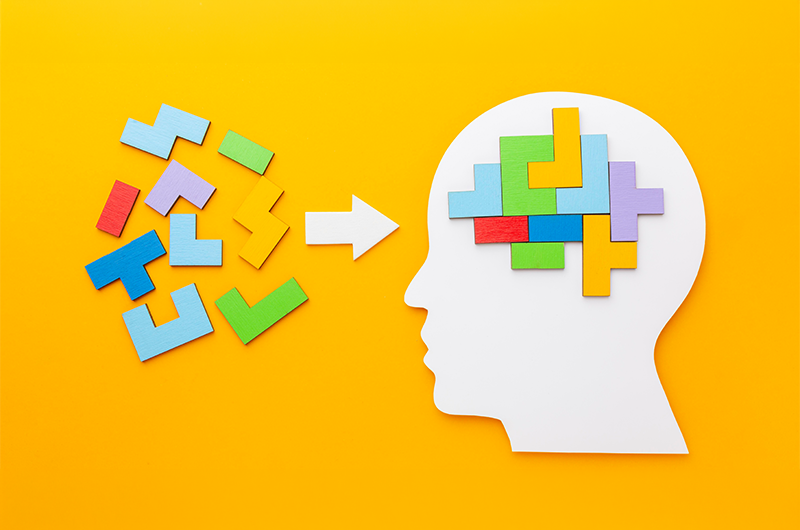


Stress is not a sign of weakness. It is a biological signal that the brain perceives demand, uncertainty, or potential threat. In short bursts, stress sharpens focus and mobilizes energy. When it becomes ongoing, however, it can disrupt concentration, sleep, mood stability, and physical health. Across the United States, conversations about mental health, burnout, anxiety management, and stress management techniques and emotional resilience skills are increasing—not because people are less capable, but because modern demands are complex and persistent.
Cognitive Behavioral Therapy (CBT), one of the most extensively researched psychological treatment models, offers a skills-based answer through cognitive behavioral therapy techniques. CBT does not rely on vague encouragement. It focuses on measurable strategies that help individuals influence how they think, regulate their physiological stress response, and act with intention.
Within this framework, four practical tools are frequently grouped together as the “Big 4”
Each technique targets a specific dimension of the stress response cognitive, emotional, physiological, and behavioral. When practiced consistently, these skills strengthen stress management, improve mental performance, and support long-term psychological resilience and mental health wellbeing.
Stress responses are shaped not only by external events but by internal interpretation. When the brain perceives threat, the amygdala activates the sympathetic nervous system. Heart rate increases. Muscles tense. Attention narrows.
CBT is built on a foundational principle: thoughts influence emotions, and emotions influence behavior. When automatic thoughts exaggerate danger or predict failure, emotional intensity increases. When those thoughts are evaluated and adjusted, distress decreases (Beck, 2011).
Meta-analytic research confirms that CBT is effective for anxiety, depression, and stress-related conditions (Hofmann et al., 2012), making it one of the most effective anxiety management strategies. The Big 4 techniques apply CBT principles in everyday situations, making evidence-based mental health strategies accessible outside formal therapy settings.
Moving Beyond Forced Positivity
Positive self-talk is often mischaracterized as repeating affirmations. In clinical practice, it refers to cognitive restructuring—identifying unhelpful automatic thoughts and replacing them with accurate, balanced interpretations using positive self talk CBT techniques.
For instance:
Cognitive distortions such as catastrophizing, black-and-white thinking, and overgeneralization intensify stress responses and reduce mental strength techniques effectiveness. These patterns increase perceived threat and reduce perceived control.
CBT interventions that address distorted thinking consistently reduce emotional distress (Beck, 2011). By engaging the prefrontal cortex the area associated with reasoning and executive function cognitive reframing helps moderate emotional reactivity and build emotional resilience skills.
This technique is particularly effective in moments such as:
Replace it with a statement grounded in evidence and context.
Repeated practice reshapes habitual thinking patterns and strengthens cognitive behavioral therapy techniques and resilience.
What Mental Rehearsal Involves
Visualization involves deliberately imagining oneself navigating a challenging scenario with calm and competence. It is structured and intentional—not passive fantasy, and widely used as visualization techniques for anxiety.
An individual anticipating a difficult meeting might mentally rehearse:
Neuroscientific research indicates that imagining an action activates neural pathways similar to those involved in physically performing that action (Guillot & Collet, 2008). This overlap supports learning and performance enhancement.
Mental rehearsal also reduces anticipatory anxiety. When the brain has “practiced” a scenario, it becomes less novel and therefore less threatening, supporting anxiety management strategies.
Visualization has been widely used in sports psychology, medical training, and high-performance professions. By repeatedly rehearsing adaptive coping, individuals build familiarity and reduce stress reactivity.
It can be applied before:
The outcome is not perfection. It is preparedness and improved mental resilience skills.
The Physiology of Acute Stress
When stress escalates, breathing becomes rapid and shallow. This reinforces sympathetic nervous system activation and sustains the feeling of urgency.
Tactical breathing interrupts that cycle and is one of the most effective breathing techniques for stress.
A commonly used pattern includes:
Slow diaphragmatic breathing stimulates parasympathetic activity through vagal pathways. Studies indicate that regulated breathing can reduce anxiety symptoms and improve heart rate variability, an indicator of autonomic balance (Jerath et al., 2015).
Unlike cognitive strategies, breathing techniques work directly on physiology. They are particularly useful during acute stress episodes, including:
Practicing tactical breathing regularly improves baseline emotional regulation and stress tolerance, strengthening stress management techniques.
Why Clear Goals Reduce Mental Overload
Ambiguous intentions can increase stress because the brain struggles with undefined expectations. Structured goals reduce uncertainty and enhance perceived control, making SMART goals mental health strategies highly effective.
SMART goals are:
Instead of:
Behavioral research demonstrates that clearly defined goals enhance motivation and improve task performance (Locke & Latham, 2002). Structured goal setting strengthens self-efficacy the belief that one can influence outcomes which is strongly associated with psychological resilience.
Within CBT, behavioral activation relies on purposeful, scheduled actions to reduce avoidance and improve mood regulation.
SMART goals are particularly helpful for:
Incremental progress builds confidence and reinforces adaptive behavior and long-term mental resilience skills.
Each of the Big 4 skills influences a distinct layer of the stress system:
Together, they create a comprehensive, evidence-informed stress management strategy using cognitive behavioral therapy techniques. Rather than reacting impulsively, individuals learn to pause, regulate, evaluate, and act intentionally.
This integrated approach supports:
While these techniques are powerful self-regulation tools, ongoing symptoms such as persistent anxiety, panic attacks, depressive episodes, or trauma-related distress warrant professional evaluation.
CBT delivered by licensed clinicians remains one of the most well-supported treatments for anxiety and mood disorders (Hofmann et al., 2012), especially for individuals seeking anxiety management strategies and structured therapy. Professional guidance can deepen skill application and address underlying patterns contributing to stress.
Early support is associated with improved outcomes and reduced symptom progression.
Resilience is not an inborn trait reserved for a select few. It is a capacity strengthened through deliberate practice.
The Big 4 positive self-talk, visualization, tactical breathing, and SMART goal setting offer accessible, research-supported strategies for improving stress management, emotional resilience skills, and mental performance.